
Helambu Trek
Helambu Trek
Langtang Region
Overview
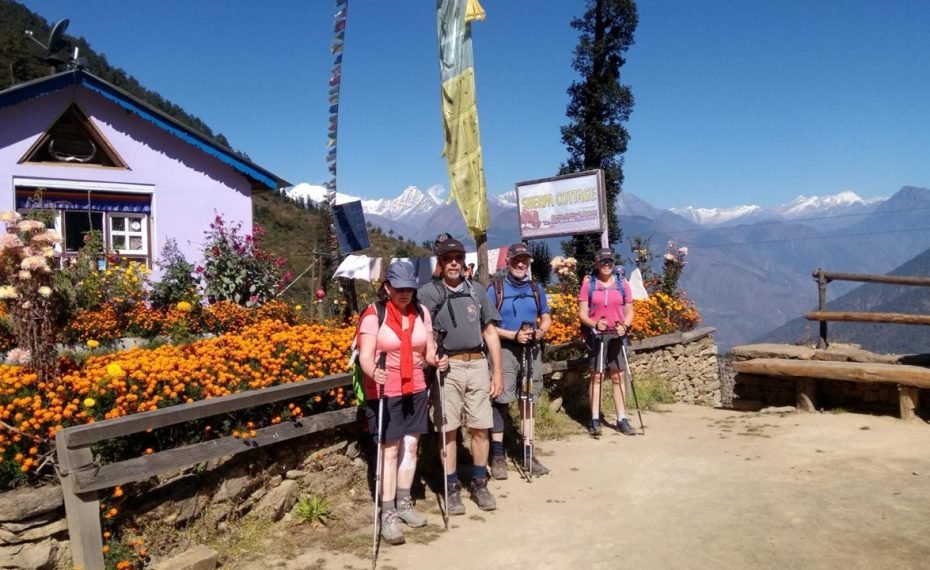
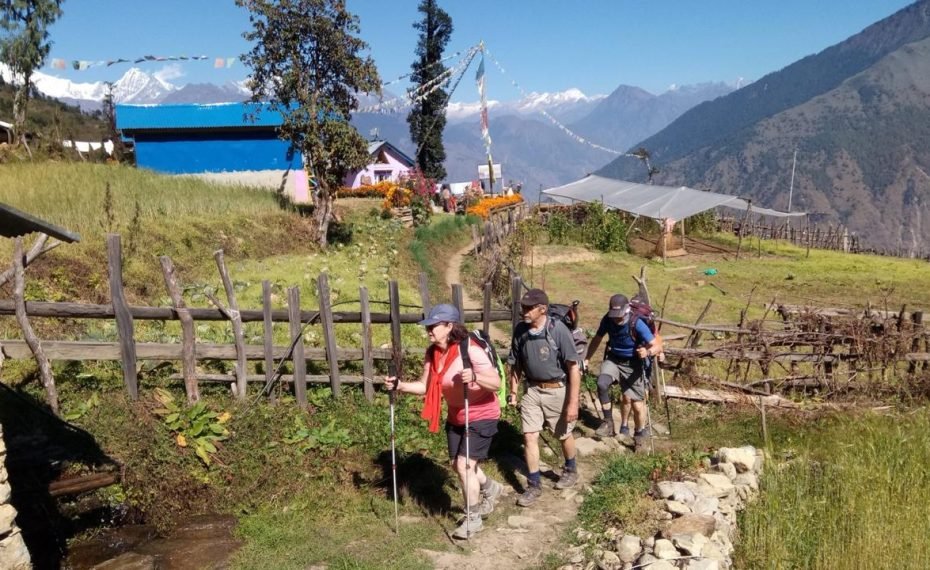
The Helambu Trek is renowned among trekkers for its stunning scenery and mild climate. Located about 72 kilometers northeast of Kathmandu, it stretches from north of Taramarang to the tree line near Gosainkunda Lake and the lower slopes of Jugal Himal. Along the trail, you’ll encounter highland Tamang and Sherpa villages scattered beside the Malemchi Khola, with customizable itineraries to suit your preferences.
The Helambu Trek borders the spectacular Langtang Valley, aptly named the “valley of glaciers,” where soaring mountains create a breathtaking backdrop. The landscape features pine forests, gentle rivers, swift mountain streams, rugged rocks, and snow-capped peaks. Grassy meadows bloom with daisies and wild primulas, while the upper sections reveal misty high passes, snow bridges over torrents, and crystalline lakes dotted with icebergs.
As a comparatively easy hike, the Helambu Trek features lower elevations from 800m to 3600m, with minimal climbing and warmer temperatures. It’s less crowded and quieter than the Annapurna or Everest routes, allowing for a peaceful experience. This trek delivers a rich tapestry of cultures alongside diverse, awe-inspiring scenery.
Itinerary
After a scenic 15km drive from Kathmandu, we arrive at Sundarijal, the starting point of our trek. Before heading out, take some time to explore the Shivapuri Watershed and Wildlife Reserve, a serene and beautiful area. From Sundarijal, the trail ascends through a series of concrete steps along the pipeline that provides drinking water to the Kathmandu Valley. Continuing past the dam, we make our way to Mulkharka (1,895m), perched 600 meters above Sundarijal, where we can stop to rest at a local tea shop and enjoy the panoramic views of the valley. From here, we trek onwards to Chisopani (2,300m), where the first stunning vistas of the snow-capped peaks await.
Starting from Chisopani, we descend into the peaceful village of Pati Bhanjyang (1,770m), known for its charming atmosphere. After passing through the village, the trail ascends again, leading us to the village of Gul Bhanjyang (2,140m), before climbing further to 2,620m. The path then begins a gradual descent, following a rocky trail until we reach Khutumsang (2,470m), a quiet settlement with great mountain views and a welcoming atmosphere.
Today, the trail follows a ridge through a forested area with sparse settlements, eventually reaching Magen Goth. From here, the stunning views of Langtang and Gosaikund Peaks provide a perfect backdrop for a rest. As we continue, the path leads us further up to Tharepati (3,490m), a peaceful spot offering spectacular views and one of the most memorable ridge walks in Nepal. From here, the trail to Gosaikund branches off to the northwest.
Turning east, the trail takes a steep descent through a ravine, passing through the picturesque Sherpa village of Malemchigaon (2,530m), with its beautiful lodges and historic gompas (monasteries). Continuing downhill, we cross the Malenchi Khola river at 1,890m via a bridge and make the long climb up to Tarke Gyang (2,620m), the largest village in the Helambu region. This village is known for its vibrant culture and stunning mountain views.
The trail today descends gently through a forest of rhododendrons and pines, leading to Sermathang (2,620m). This village is famous for its apple orchards and offers magnificent views of the surrounding Himalayas. It’s an excellent place to relax, soak in the beauty of the area, and take in the mountain scenery.
Today is set aside to immerse yourself in the local culture. Take time to explore the village, meet the locals, and learn about their customs and way of life. If you prefer a more relaxed pace, this day also serves as a buffer in case you want to slow down the trek.
On the final day of the trek, we descend from Sermathang, passing through the village of Dubhachaur (1,500m) before making a steep descent to Malemchi Pul Bazar (846m). This bustling village, located at the confluence of the Melamchi and Indrawati Rivers, is a hub for transportation. From here, we catch a bus to Kathmandu, where the 4-5 hour journey marks the end of our unforgettable trek.
Cost Included
Overland transport as per itinerary, including airport transfers
Accommodation and full board (B, L, D) during the trek (no extra charge for solo travelers)
Experienced guide, sherpa (porter), and assistant trek leader for larger groups
Necessary permits and paperwork
Government and local taxes, where applicable
Cost Excluded
Nepal visa fee and international airfare
Hotel accommodation, lunch, and evening meals in Kathmandu
Travel and rescue insurance
Personal expenses (e.g., phone calls, laundry, bar bills, extra porters)
Tips for staff
Optional trips or sightseeing extensions