
Annapurna Circuit Trek
Annapurna Circuit Trek
Annapurna Region
Overview
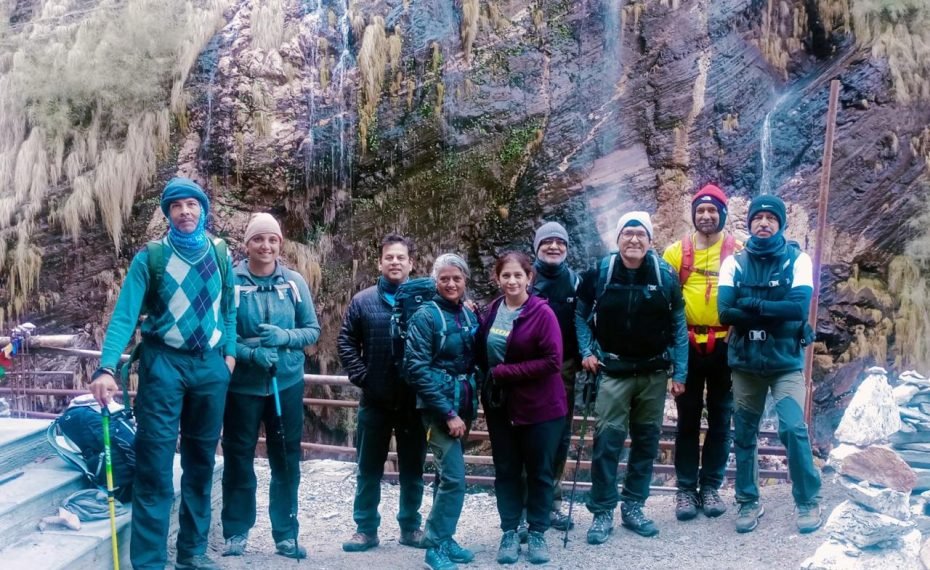
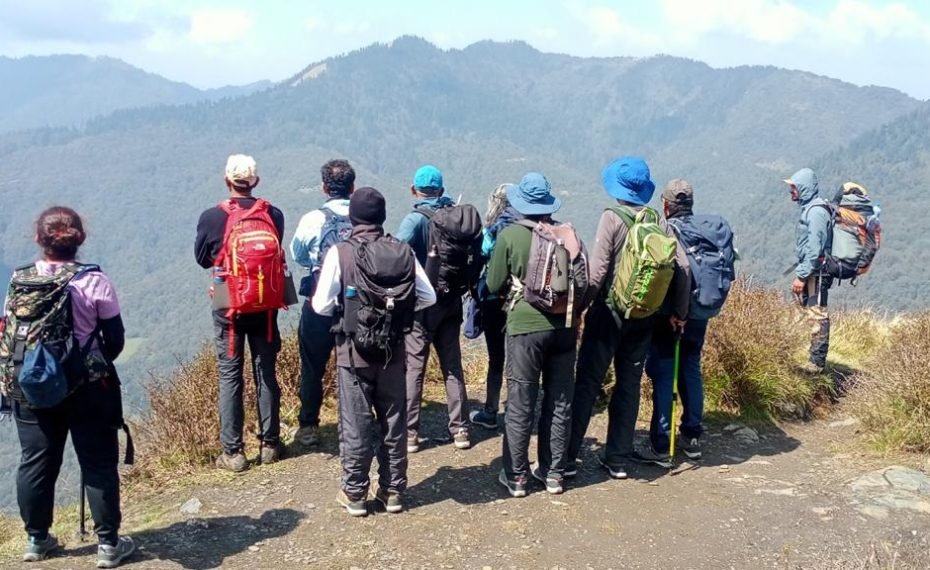
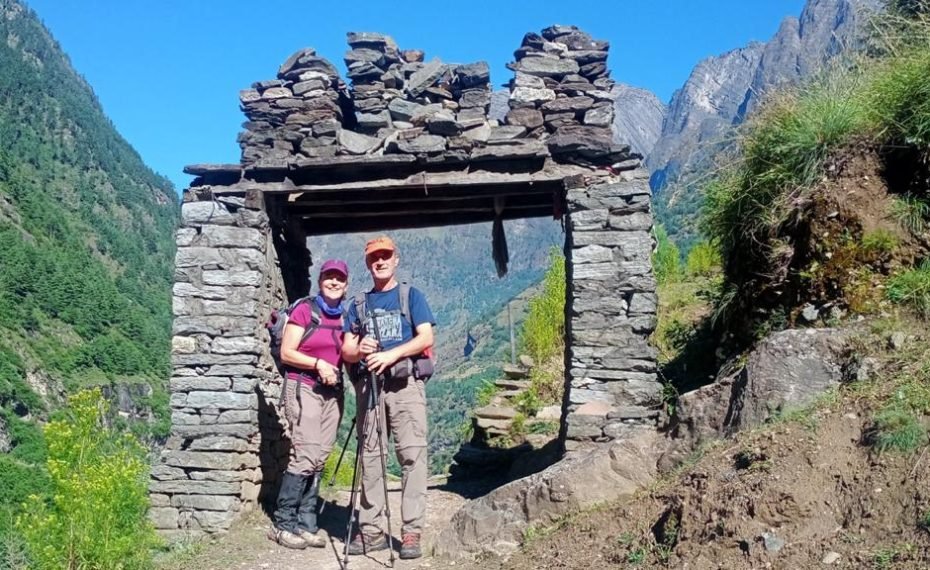
The Annapurna Circuit Trek has to be one of the most iconic routes in the Himalayas and offers a challenging yet unforgettable adventure. This four-week expedition covers four major regions: Lamjung, Manang, Mustang, and Myagdi. The route offers varied landscapes, from lush subtropical forests to stark, high-altitude deserts. Trekkers start their journey from Besisahar at a relatively lower altitude for gradual acclimatization. Beautiful valleys, terraced farmlands, and traditional villages dotted with scenic villages mark the lower regions of Lamjung and Myagdi, providing the trekker with an insight into rural Nepalese life.
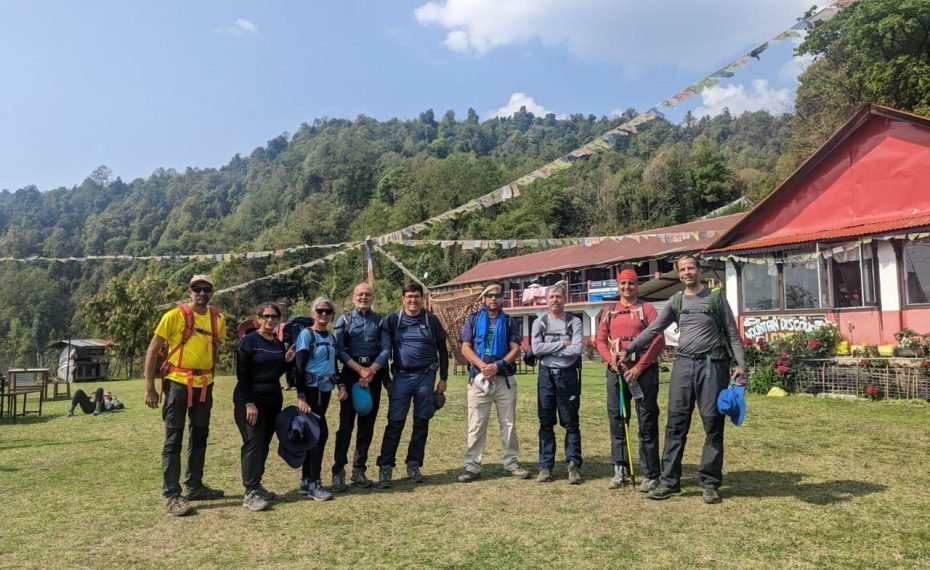
Higher altitudes bring a vast difference in the landscape of this trek. Manang and Mustang have rugged, barren, rocky landscapes. Here, the cultural influence of Tibet is high, with Buddhist traditions and Tibetan-style villages. Most of these regions’ people-the Gurung community among others-are known for their friendliness and hospitality. High-altitude villages are sprinkled with monasteries, stupas, and prayer flags, adding spirituality to this section of the trek. This part of the trek allows trekkers to experience Nepal’s unique Tibetan-influenced culture.
The main highlight of this trek is making an ascent to Thorong La Pass, which stands at 5,380 meters, the highest point on the circuit and considered a great physical challenge. The view from the top is stunning, with panoramic vistas of towering peaks such as Annapurna, Dhaulagiri, and Machhapuchhare. The descent brings you into the Kali Gandaki Valley, wherein trekkers can explore some of the deepest gorges in the world. This combination of natural beauty, physical challenge, and cultural immersion makes for an unforgettable time during the Annapurna Circuit Trek.
Itinerary
We begin our journey with a scenic drive from Kathmandu to Besisahar, passing through winding roads along the Trishuli River. En route, we enjoy views of lush countryside, rivers, and villages. At Dumre, we turn off the highway and head north to Besisahar. From there, a short drive (or a one-hour trek) takes us to Khudi, the starting point of our trek, offering a first glimpse of the stunning Manaslu range.
(B, L, D)
Our first day of trekking involves crossing suspension bridges, waterfalls, and walking through rice paddies and subtropical forests. The trail gradually becomes steeper as we ascend. On the way to Sirung, we pass through the Tamang village of Taranche, where we get close-up views of Nadi Chuli and Manaslu. We stay in a local home for a cultural experience.
(B, L, D)
We trek through terraced rice fields, forests, and villages along the Marsyangdi River. The path becomes steeper after Syange (1,100m), leading to a final climb to Chamje.
(B, L, D)
We enter the Manang region, passing fields of corn, barley, and forests of bamboo and rhododendrons. We stop at the village of Tal, known for its sandy beach and large waterfall.
(B, L, D)
Today's trek offers stunning views of Lamjung Himal, Annapurna II, and Annapurna IV. We pass through forests, hot springs, and some challenging sections before reaching Chame.
(B, L, D)
We follow a narrow path through dense forests and cross suspension bridges. The trail opens up to reveal panoramic views of the surrounding peaks. We stay at Lower Pisang.
(B, L, D)
We follow the upper route via Geru, which offers incredible mountain views. The landscape changes to a colder, drier environment. We visit Barge Monastery, the largest in the Manang district.
(B, L, D)
This acclimatization day helps us adjust to the higher altitude. We take a short walk to higher elevations, such as Bhojo Gompa or Gangapurna Lake, and learn about altitude sickness at the Himalayan Rescue Association.
(B, L, D)
The trail ascends gradually through meadows with grazing horses and yaks. We pass small villages before reaching Yak Kharka.
(B, L, D)
Today, we head to Thorong Phedi, a small settlement where trekkers rest before crossing Thorong La Pass. Some may opt for a hike to High Camp, but we recommend staying at Thorong Phedi for better rest.
(B, L, D)
This is the toughest day as we cross the famous Thorong La Pass. After reaching the pass, we descend to Muktinath, a sacred site for both Hindus and Buddhists.
(B, L, D)
After visiting Muktinath’s Vishnu Temple, we descend toward Kagbeni, then Jomsom, and finally reach Marpha. Marpha is known for its apple orchards and local apple brandy.
(B, L, D)
We follow a new route toward Kalopani, passing through traditional Thakali villages. From Kalopani, enjoy panoramic views of Dhaulagiri, Tukuche Peak, and Annapurna I.
(B, L, D)
We descend through subtropical forests, cross waterfalls, and small villages. The final stretch leads to Tatopani, where we can relax in natural hot springs.
(B, L, D)
The trail ascends gradually through terraced fields, rhododendron forests, and small villages. We stay in Ghorepani, where we’ll rest for an early hike to Poon Hill.
(B, L, D)
Early morning, we visit Poon Hill for sunrise views over the Annapurna and Dhaulagiri ranges. After breakfast, we trek to Tadapani through rhododendron forests.
(B, L, D)
We descend through rhododendron forests to Ghandruk, a Gurung village. After lunch, we continue to Nayapul, then drive to Pokhara.
(B, L)
We return to Kathmandu, where you can rest or explore the city before preparing for your next adventure.
(B)
Cost Included
- All domestic flight, hotel/airport transfer
- All ground transportation by private vehicles
- 12 B,L,D Lodging + Breakfast while return flight
- Experienced Local Guide and Porter
- All necessary paper works and permits
- All government and local taxes if necessary
Cost Excluded
- Nepal Visa fee (International airfare to & from home city)
- Excess personal baggage charges beyond 25kgs
- Hotel, Lunch & evening meals during Kathmandu stay
- Travel & rescue insurance
- Personal expenses e.g. phone calls, laundry, bar bills etc.
- Gratuity for staffs
- Optional trips and sightseeing if extend